
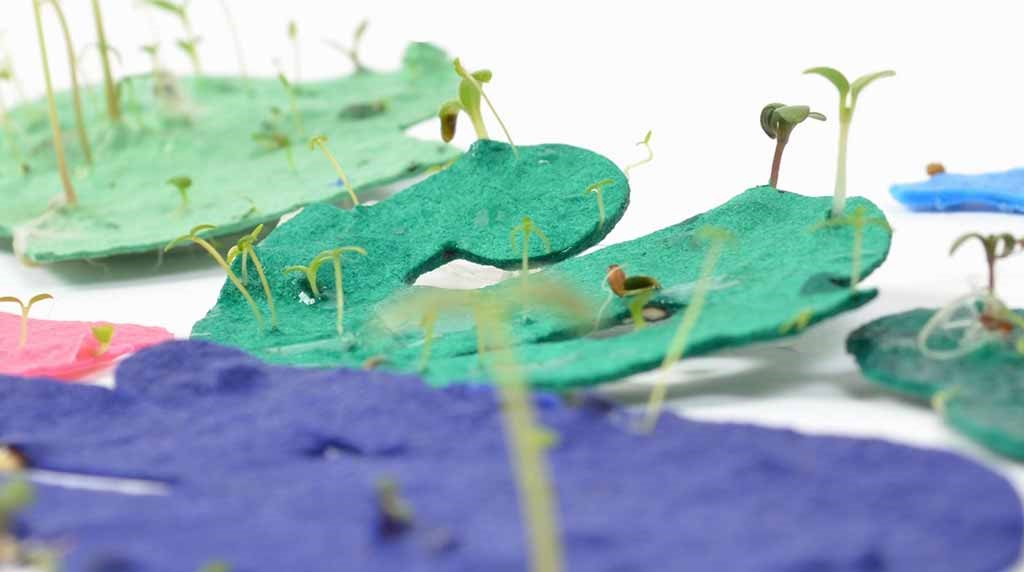
If you’ve ever received a card or gift that you could actually plant, you’ve likely come across plantable seed paper. It’s one of the most creative innovations in sustainable products — combining paper with real seeds so it can be reused instead of thrown away. But what exactly is it, how does it work, and what can you expect to grow?
This guide answers all of that, breaking down everything you need to know about plantable seed paper from start to bloom.
What Is Plantable Seed Paper?
Plantable seed paper is handmade paper embedded with real seeds — usually wildflowers, herbs, or vegetables. Instead of throwing the paper away after use, you plant it in soil, and over time the paper breaks down while the seeds germinate and grow.
It’s typically made from recycled paper pulp, which means every sheet also helps reduce paper waste. This makes it a favorite material for greeting cards, wedding invitations, business cards, and gift tags among people searching for genuinely useful, biodegradable seed paper products.
How Does Seed Paper Work?
Understanding how seed paper works starts with its two main components:
- Recycled paper pulp – This forms the base material, giving the paper its texture and structure.
- Embedded seeds – Seeds are mixed directly into the pulp during production, so they’re evenly distributed throughout the sheet.
When the paper is exposed to soil, water, and sunlight, it starts to soften and decompose. The moisture helps trigger germination, and as the paper breaks down, it acts almost like mulch — protecting the seeds and providing a small amount of nutrients as they sprout.
How to Plant Seed Paper
Planting seed paper is simple enough for beginners and doesn’t require any special gardening tools. Here’s the general process:
- Prepare the soil. Choose a small pot or a spot in your garden with good soil.
- Place the paper. Lay the seed paper on top of the soil, then cover it with a thin layer (about 1/8 inch) of additional soil.
- Water regularly. Keep the soil consistently moist, especially during the first two weeks.
- Provide sunlight. Place the pot or planting area somewhere it will get adequate light based on the specific seed type.
- Be patient. Germination times vary, but most seed paper varieties sprout within 1 to 3 weeks.
Following clear seed paper planting instructions — usually included with the product — helps ensure the best results, since different seed types have slightly different care needs.
What Grows From Seed Paper?
One of the most common questions is what grows from seed paper, since it depends entirely on which seeds were used. Common options include:
- Wildflowers – such as forget-me-nots, poppies, and daisies, popular for their easy care and colorful blooms.
- Herbs – like basil, mint, or parsley, which are great for kitchen gardens.
- Vegetables – including tomatoes or peppers, for those who want an edible outcome.
Most seed paper products list the exact seed variety on the packaging, so you’ll know what to expect before you plant.
Is Plantable Seed Paper Really Biodegradable?
Yes. Since biodegradable seed paper is made from recycled fibers and natural seeds, it breaks down safely in soil without leaving behind any synthetic residue. This is different from standard paper, which may contain inks, coatings, or additives that aren’t garden-safe. Reputable seed paper is typically dye-free or uses plant-based, non-toxic pigments to ensure it’s safe for the environment.
Why People Choose Plantable Paper Products
Beyond the novelty, plantable paper appeals to people looking for:
- Reduced waste – Instead of ending up in a landfill, the paper becomes part of a garden.
- A memorable experience – Watching something you received actually grow adds sentimental value.
- Eco-conscious branding – Businesses use seed paper for cards and packaging to reflect sustainability values.
Frequently Asked Questions
1. Can seed paper be planted directly in a garden, or does it need a pot?
Both work. You can plant seed paper directly in garden soil or start it in a small pot indoors before transferring seedlings outside.
2. Does seed paper expire?
Seeds embedded in the paper have a shelf life, similar to regular seed packets. For best results, it’s recommended to plant within 12–18 months of purchase.
3. What happens if the seed paper doesn’t grow?
This can happen if the soil is too dry, too wet, or lacks sunlight. Double-checking the specific care instructions for the seed type usually resolves the issue.
4. Is seed paper safe for pets or children to handle?
Most seed paper is non-toxic, but it’s still a good idea to supervise young children and keep pets from chewing on it, just as you would with any garden material.
Final Thoughts
Plantable seed paper turns an everyday item — paper — into something that can grow into flowers, herbs, or even vegetables. By understanding how it works, how to plant it, and what to expect, you can get the most out of this simple, sustainable product, whether you’re using it for a personal project or a special event.