
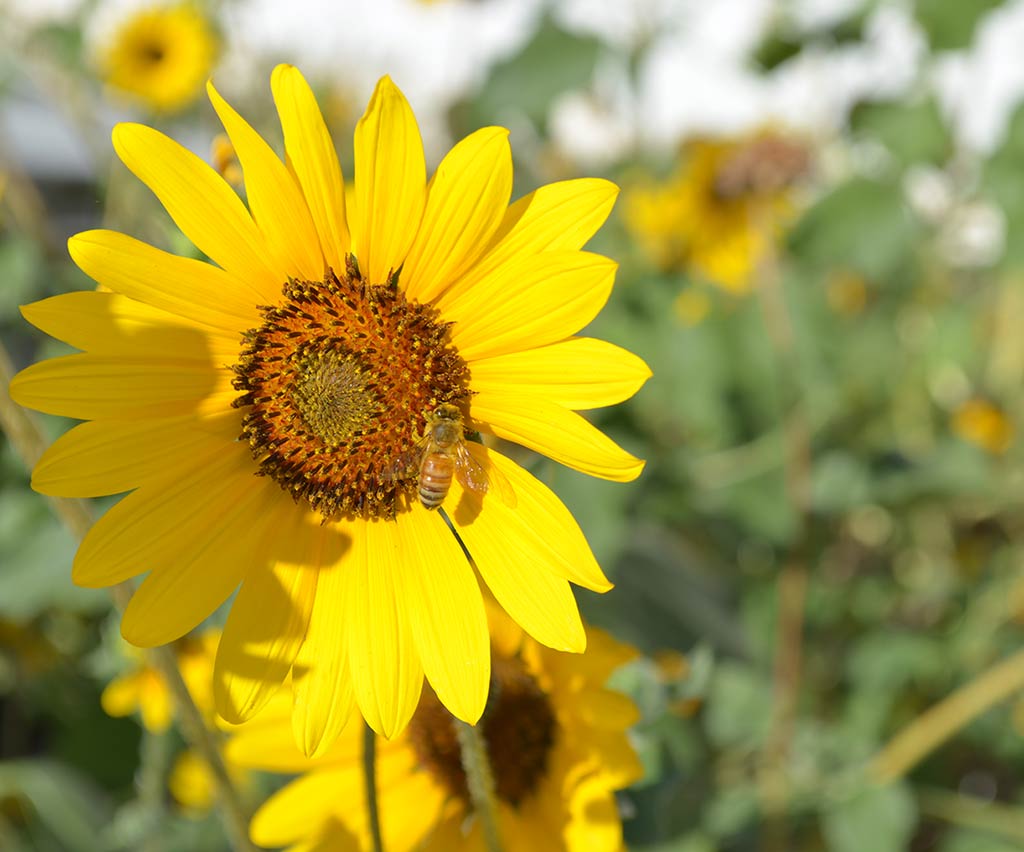
Worried about your bees? Foulbrood, mites, and fungus can devastate a colony! Spot the warning signs early and protect your hive before it’s too late.
Beekeeping feels a bit like magic sometimes. You watch these tiny, fuzzy creatures turn nectar into liquid gold, and your garden blooms brighter because of their hard work. But nature isn’t always kind, and hives face threats that can wipe out a colony fast. Knowing how to protect your hive from common bee diseases is the most important part of being a good steward for your pollinators. You need to know what to look for so you can step in before a small problem becomes a disaster.
American Foulbrood
Let’s start with the most serious bacterial threat: American Foulbrood (AFB). AFB targets developing larvae, spreads rapidly, and is extremely resilient because its spores can survive for decades. Early detection is key: check brood patterns for signs. A healthy brood looks solid, while an AFB-infected brood appears spotty and irregular, with cell cappings that are sunken, dark, or greasy.
If you suspect AFB, you can perform a “rope test.” You take a matchstick, poke it into a suspect cell, and slowly pull it out. If the dead larvae goo stretches out like a rope, that is a bad sign.
The Varroa Destructor Mite
Varroa mites are tiny, red-brown parasites that attach to your bees, weakening them and spreading viruses that deform wings and shorten their lifespans.
If you suspect mites, you can use a sticky board at the bottom of the hive or perform a sugar roll test to count them. If the numbers get too high, the colony will likely collapse over the winter, so staying on top of those counts helps the hive defend itself against other illnesses.
Fungal Infections
Moisture causes problems inside a hive just like it does in a house. Fungal infections thrive in damp, cool conditions. Chalkbrood disease in bees turns larvae into hard, white mummies that look exactly like little pieces of chalk. You will typically find these little mummies on the landing board or at the bottom of the hive.
This usually happens in early spring, when temperatures fluctuate, and the cluster cannot keep the brood warm enough. Help your bees by keeping the hive well-ventilated and positioned in a sunny spot.
Keeping the Buzz Alive
Beekeeping requires observation. You act as the guardian of thousands of lives, so watching for these signs can help increase your bees’ survival rates. Additionally, performing regular inspections allows you to catch problems while they are manageable. Understanding how to protect your hive from common bee diseases ultimately makes you a better partner to your bees. Keep these in mind, and your local ecosystem will thank you for the extra effort.